Farm Life Aesthetic: Reviewing the Farmer Farm Quote Design
As a designer who spends more time staring at stitch simulations than I do sleeping, I have learned that not every graphic translates well to thread. Some designs look fantastic on a screen but turn into a tangled mess of bobbin thread and frustration once they hit the fabric. When I first pulled up the Farmer Farm Quote design, my initial reaction was one of cautious optimism. It fits squarely into the rustic, homestead aesthetic that has dominated the Crafts market for years, but aesthetics alone do not make a viable embroidery product. We need to talk about functionality, stitch flow, and real-world application.
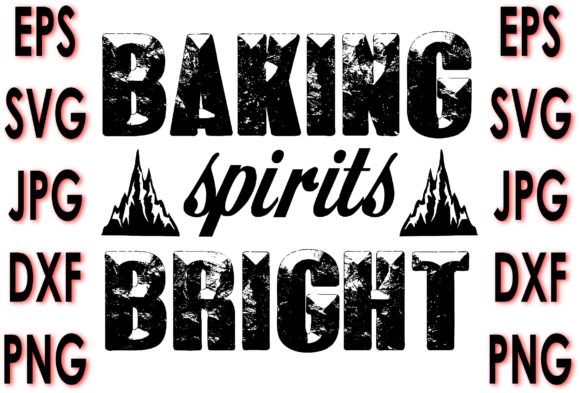
This review is written from the perspective of someone who has to deliver a finished product to a paying customer. Whether you are an Etsy seller looking for your next best-seller or a hobbyist making gifts for family, understanding how a design behaves under the needle is crucial. The Farmer Farm Quote is marketed as a versatile asset, including SVG, DXF, EPS, and PNG files. This multi-format approach suggests it is intended for both cutting machines like the Silhouette Cameo and traditional embroidery workflows, which adds a layer of complexity we need to address.
First Impressions and Visual Personality
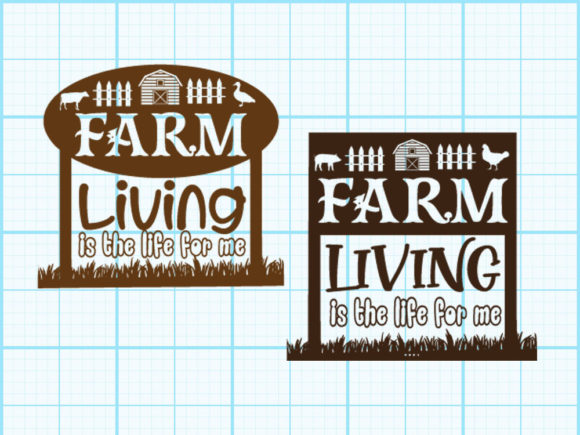
The mood of this design is warm, nostalgic, and grounded. It evokes images of morning coffee on a porch, fresh produce, and slow living. Visually, the layout appears balanced, relying on typography that likely mixes serif and sans-serif elements to create contrast. For embroidery, this is a double-edged sword. Clean, bold lines translate beautifully into satin stitches or clean running stitches, while overly intricate serifs can cause registration issues if the digitizing is not precise.
When evaluating the visual personality, I look for "breathing room." Does the design feel cluttered, or does it allow the fabric texture to show through? The Farmer Farm Quote seems to prioritize readability, which is essential for any quote-based design. If the letters are too thin, they will disappear on textured fabrics like linen or terry cloth. If they are too dense, the fabric will pucker. The key here is finding the sweet spot where the message is clear without overwhelming the garment.
Real-World Application: The Tote Bag Test
To truly evaluate this design, I mentally placed it on a canvas tote bag, a staple item for any small shop product. Canvas is a sturdy, woven fabric that handles embroidery well, provided the stabilizer is correct. Imagine stitching this quote onto a natural-colored cotton canvas. The rustic theme of the Farmer Farm Quote pairs perfectly with the organic feel of the material.
In this scenario, the design serves as a focal point. For a craft business, this is a high-value item. Customers love personalized, meaningful text on reusable bags. However, the success of the finished product depends on the stitch density. If the design uses heavy fill stitches for large letters, the bag might become stiff and unwieldy. A skilled digitizer would opt for a combination of satin stitches for outlines and lighter fill patterns or even applique techniques for larger areas to maintain the drape of the fabric.
Beyond tote bags, consider custom apparel. A sweatshirt embroidery project using this design could be incredibly cozy and marketable for the fall season. The quote’s sentiment aligns well with the trend toward sustainable, farm-to-table lifestyles. On a fleece or cotton blend sweatshirt, the design needs to float slightly above the fabric to avoid sinking into the pile. This requires careful attention to stabilizer choice—likely a cut-back stabilizer for durability and support.
Navigating Technical Challenges
While the concept is strong, we must discuss where the Farmer Farm Quote might face challenges. One major concern is the file format. The product description lists SVG, DXF, EPS, and PNG files. These are primarily vector and raster image formats used for cutting and printing, not native embroidery files like PES, DST, or JEF. This is a critical distinction for embroidery designers.
If you are an embroiderer, you cannot simply load an SVG into your embroidery machine. You must either digitize the design yourself using software like Wilcom or Hatch, or ensure that the provider offers actual embroidery formats. If you are digitizing it from the SVG, pay close attention to the node count. Too many nodes can result in jagged curves and excessive jump stitches. You will need to smooth out the paths and assign appropriate stitch types. For example, thin lines should be running stitches, while broader areas might benefit from tatami fills or satin columns, depending on the width.
Another technical consideration is scale. How does the design perform when resized? If you shrink the Farmer Farm Quote for a baby embroidery project, such as a onesie or a burp cloth, the small details may merge together. Tiny lettering on stretchy knits is risky; the fabric moves, and the stitches can break or pucker. In these cases, simplifying the design or increasing the size is necessary. Conversely, if you enlarge it for a pillow cover, ensure the stitch length does not become too long, which can lead to looping and snagging.
Fabric and Thread Considerations
The choice of thread colors can make or break this design. Since the theme is rustic, earth tones like olive green, mustard yellow, terracotta, and slate blue work wonderfully. However, contrast is king. If you are stitching on a dark navy hoodie, using a dark brown thread will render the quote invisible. Always test your thread choices against the fabric background. A printable mockup can help visualize this, but nothing beats a physical test stitch on scrap fabric.
Fabric texture also plays a significant role. On smooth quilting cotton, the design will look crisp and defined. On textured linen or waffle knit, the stitches may sink in, requiring a topping stabilizer to keep them on the surface. For curved surfaces like caps or hats, the design must be centered perfectly, and the hoop size must accommodate the curve without distorting the image. The Farmer Farm Quote likely has a horizontal orientation, which fits well on the front panel of a cap, but verify the width against your hoop capabilities.
Commercial Viability and Brand Consistency
For Etsy sellers and boutique owners, consistency is key. Does the Farmer Farm Quote fit your brand identity? If your shop specializes in modern, minimalist designs, this rustic quote might feel out of place. However, if your brand leans toward cottagecore, farmhouse chic, or handmade warmth, this design is a strong contender. It adds value to your product line by offering customers a way to express their values and lifestyle choices.
Customer trust is built on quality. A poorly stitched design reflects poorly on your brand. Before listing this as a commercial embroidery product, run extensive tests. Wash the finished items to check for durability. Does the thread fray? Does the fabric pucker after washing? These are the questions that determine whether a design becomes a staple in your shop or a return statistic.
Final Designer Notes
Before you commit to using the Farmer Farm Quote in a paid project, take these practical steps. First, confirm the licensing terms. Just because you have the SVG does not mean you have the right to sell embroidered items made from it. Check the provider’s terms for commercial use. Second, if you are digitizing from the provided graphics, take your time. Auto-digitizing rarely produces professional results. Manual editing of stitch angles, density, and underlay is essential for a polished look.
Finally, remember that embroidery is tactile. The viewer will not just see the design; they will feel it. Ensure that the back of the embroidery is as clean as the front, with trimmed jumps and secure knots. A well-executed Farmer Farm Quote can be a charming addition to your portfolio, appealing to those who value craftsmanship and rural charm. But it requires respect for the medium, attention to detail, and a willingness to test before you invest. Treat it as a serious design asset, and it will reward you with satisfied customers and beautiful finished products.