Review: Sleeping Sloth and Quote Sloth Mode On
As a designer who spends more time staring at stitch simulations than I do sleeping, I have learned that the charm of an embroidery design often lies in its simplicity. When I first pulled up the Sleeping Sloth and Quote Sloth Mode on file, my initial reaction was one of relief. In a market saturated with overly complex, high-density motifs that eat up thread and machine time, this piece offers a breath of fresh air. It is not just a graphic; it is a mood. For those of us running small craft businesses or managing Etsy shops, finding designs that balance aesthetic appeal with production efficiency is the holy grail. This design, categorized under Crafts and Graphics, seems to hit that sweet spot, but let’s dig into how it actually performs when the needle hits the fabric.
The Visual Personality and First Impressions
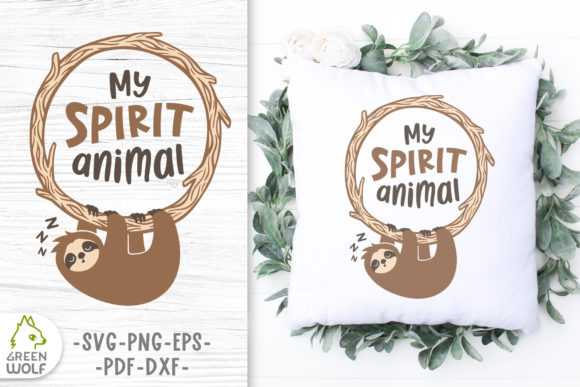
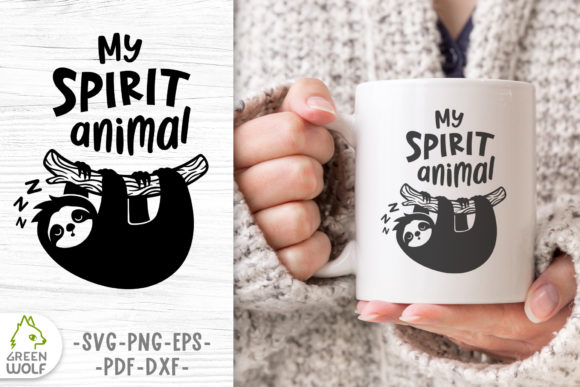
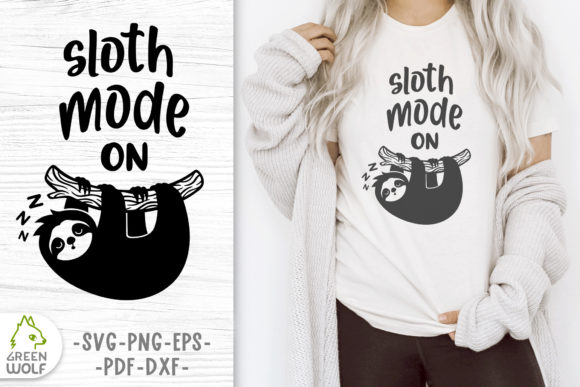
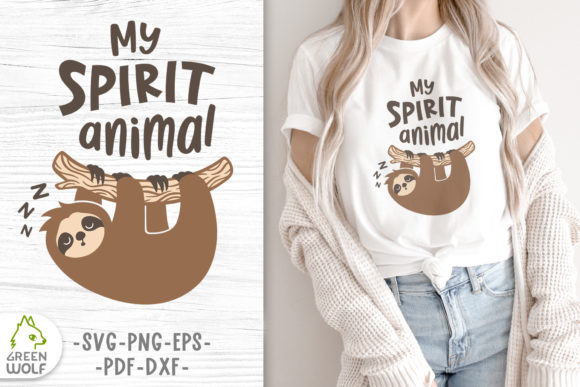
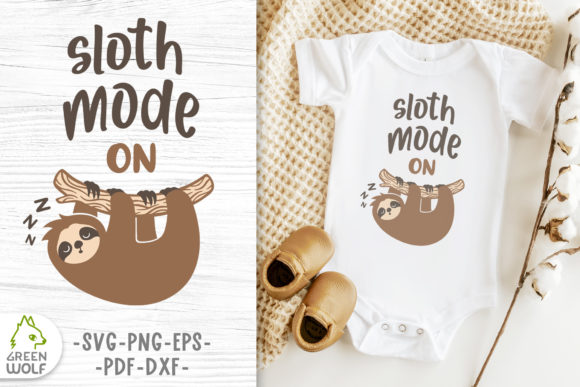
The core of this design is a cute sleeping sloth perched comfortably on a branch, accompanied by the text "Sloth mode on." Visually, it exudes a laid-back, cozy energy that resonates deeply with current trends in home decor and casual apparel. The layout is intuitive. The sloth is the focal point, curled in a way that suggests deep relaxation, while the quote acts as a complementary anchor rather than competing for attention.
From a technical standpoint, the preview showing the layer layout is a crucial detail for any serious embroiderer. It tells me that the designer has thought about the order of operations. For beginners, this transparency is invaluable. It reduces the guesswork regarding which elements should be stitched first to ensure clean overlays and minimal thread breaks. The visual personality here is soft and approachable, making it an ideal candidate for products meant to evoke comfort, such as nursery decor, lounge wear, or personalized gifts for friends who appreciate a slower pace of life.
Real-World Application: The Tote Bag Test
To truly evaluate a machine embroidery design, you have to imagine it in situ. I recently considered a batch of custom canvas tote bags for a local boutique client. They wanted something whimsical but not childish, suitable for young adults and students. Sleeping Sloth and Quote Sloth Mode on fit this brief perfectly.
When planning this embroidery project, I visualized the design centered on the front panel of a natural-colored cotton tote. The contrast between the dark outlines of the sloth and the light fabric would provide excellent definition. Because the design includes both illustrative elements (the sloth) and typography, it creates a balanced composition that looks intentional and professional. For an Etsy seller, this versatility is key. You aren't just selling a patch; you are selling a vibe. Whether it is applied to a sweatshirt, a pillow cover, or a kitchen towel, the design maintains its integrity and charm.
Performance on Different Fabrics
One of the most critical aspects of using digital embroidery files is understanding how they interact with fabric texture. This design appears to rely on a mix of satin stitch for the outlines and text, and potentially fill stitch for the body of the sloth, depending on the specific digitizing choices made by the creator.
- Cotton and Canvas: These stable fabrics are the best friends of this design. The stitch density should hold well without puckering, provided you use the correct stabilizer.
- Stretchy Fabrics: If you are applying this to a t-shirt or baby clothes, caution is required. The text "Sloth mode on" needs to remain legible. On stretchy knit fabrics, excessive pull can distort lettering. A cut-away stabilizer is non-negotiable here to maintain the shape of the finished product.
- Dark Fabrics: Thread color contrast becomes vital. If stitching on navy or black, ensure your thread palette pops. A test run on scrap fabric is essential to verify that the details of the sloth’s face do not get lost in the shadows.
Technical Considerations for the Embroiderer
While the description notes that the design is easy for beginners, experienced designers know that "easy" can sometimes mean "less forgiving" if the digitizing isn't tight. Here are my practical notes for anyone looking to use this asset in commercial embroidery or personal projects:
- Check the Stitch Density: Before loading the file onto your machine, review the simulation. High-density areas can cause fabric stiffness, especially on smaller items like caps or baby embroidery projects. Ensure the density is appropriate for the hoop size you intend to use.
- Hoop Size Compatibility: Verify the dimensions. While likely suitable for standard 4x4 or 5x7 hoops, confirming this prevents last-minute resizing issues that can distort the aspect ratio of the sloth or the readability of the quote.
- Small Details and Corners: Inspect the tips of the branches and the ends of the letters. Sharp corners in embroidery can be tricky. If the design uses too many stops and starts, it may increase production time. Look for smooth transitions in the running stitch or satin stitch paths.
- Stabilizer Selection: For a tote bag design, a tear-away stabilizer might suffice. However, for items that will undergo frequent washing, such as aprons or tea towels, a cut-away stabilizer ensures longevity and prevents the design from pulling away from the fabric over time.
Commercial Viability and Brand Consistency
For small shop owners and creative entrepreneurs, the value of a design extends beyond its cuteness. It must align with brand consistency and customer expectations. Sleeping Sloth and Quote Sloth Mode on lends itself well to a brand identity focused on self-care, mindfulness, or humor. It is highly giftable, fitting seamlessly into categories like holiday embroidery, wedding gifts for laid-back couples, or back-to-school merchandise.
When creating printable mockups or digital product previews, this design photographs well. Its clear lines and recognizable subject matter translate effectively to social media images, which drives buyer engagement. However, always confirm the licensing terms. Just because a file is easy to use does not mean it is free for unlimited commercial use. Check whether the license allows for selling finished physical items, digital embroidery files, or both. Protecting your craft business means respecting intellectual property rights.
Final Verdict
In the world of handmade products, authenticity sells. This design feels authentic. It doesn't try to be everything to everyone; it commits to being a charming, relaxed statement piece. For the hobbyist, it is an achievable project that builds confidence. For the professional, it is a reliable asset that can be produced quickly without sacrificing quality.
Before you commit to a large batch, always run a test stitch. Check your thread colors against your fabric choices. Ensure your tension is dialed in. If you treat this design with the respect it deserves, paying attention to stabilizer choice and fabric preparation, it will elevate your custom apparel and home decor offerings. It is a solid addition to any library of design assets, offering a blend of whimsy and practicality that modern consumers crave.