Review: Cute Sleeping Sloth on Branch SVG for Embroidery
As a designer who spends half my life digitizing and the other half stitching, I have learned to look past the pretty preview images. When I downloaded the Cute Sleeping Sloth on Branch Svg, my immediate goal was not just to admire the art, but to determine if it could survive the transition from a digital graphic to a tangible, stitched reality. This asset is marketed primarily for cutting and printing, specifically noting its inclusion of an SVG for Cricut and a high-resolution PNG. However, for those of us in the embroidery world, the question is always: does this translate well to thread?
First Impressions and Design Mood
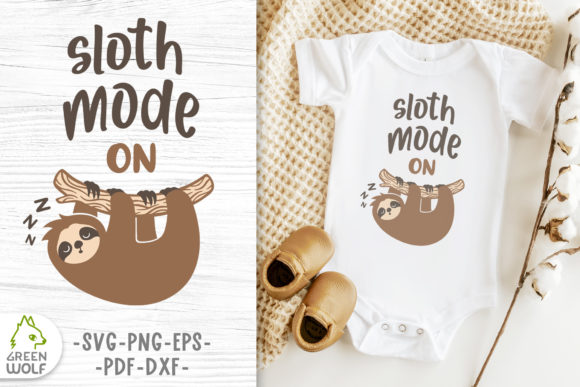
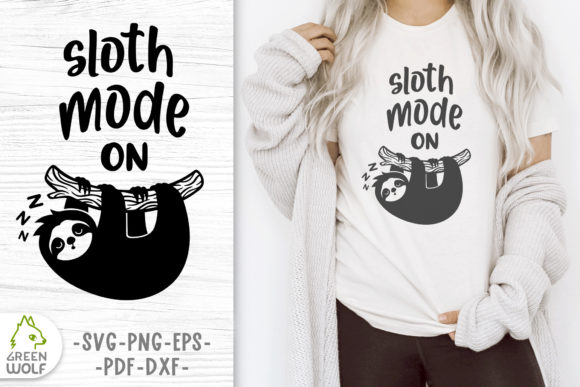
The visual personality of this design is undeniably charming. The phrase "Sloth mode on" paired with a sleeping sloth creates an instant mood of relaxation and humor. From a layout perspective, the composition is balanced. The sloth is curled comfortably on the branch, which provides a natural horizontal anchor for the text. For embroidery designers, this structure is promising because it offers clear separation between the character and the lettering, reducing the risk of thread breaks or messy overlaps during stitching.
The detail level appears moderate. It is not overly complex, which is a blessing for smaller hoop sizes, but it retains enough character to remain recognizable. The theme fits perfectly into the current trend of whimsical, self-care-oriented Graphics that perform well in the Crafts sector. It feels less like a generic clipart and more like a deliberate illustration, which adds perceived value to any finished product.
Real-World Application: The Tote Bag Test
To evaluate this properly, I imagined a specific real-life scenario: creating a custom embroidered tote bag for a local boutique client. Tote bags are notorious for their textured, often coarse fabric weave. I needed a design that would not get lost in the grain of the canvas.
Using the provided PNG file, which boasts an approximate size of 4400 x 6500 pixels, I created a printable mockup to visualize the scale. The resolution is excellent for digital previews and printing, but for embroidery, we must consider stitch density. If I were to digitize this from the SVG path, I would likely opt for a combination of satin stitch for the text and fill stitch for the sloth’s body. The smooth curves of the sleeping animal suggest that a well-digitized fill stitch would lay flat and look plush, enhancing the "soft" vibe of the design.
For a sweatshirt embroidery project, this design would shine even brighter. The fleece texture of a hoodie complements the cozy nature of a sleeping sloth. Here, the "Sloth mode on" quote becomes a relatable statement piece. Customers looking for personalized gifts or comfort-focused apparel would likely engage with this design because it speaks to a lifestyle, not just a aesthetic.
Navigating Technical Challenges
While the design is appealing, there are areas where caution is necessary. Since the source files are SVG and PNG, they are not native machine embroidery formats like PES or DST. This means you will either need to use auto-digitizing software or, preferably, manually digitize the design to control stitch direction and density. Auto-digitizing can sometimes create excessive stitch counts or poor underlay, which leads to puckering.
One critical consideration is the text. "Sloth mode on" is relatively short, but depending on the font weight in the original SVG, the letters might be thin. On stretchy fabric or dark fabric, thin running stitch text can disappear or look jagged. I recommend testing the design on scrap fabric first. Check the thread color contrast carefully; a light gray thread on a white tote bag will vanish, whereas a deep charcoal or navy would provide the necessary pop.
Additionally, consider the hoop size. If you are working with a small 4x4 inch hoop for an embroidered patch or a baby item, you may need to simplify the branch details. Tiny corners and intricate ends of branches can cause needle breaks if the stitch density is too high. For curved surfaces like caps, the horizontal layout of the branch is advantageous, as it follows the natural curve of the cap’s front panel, minimizing distortion.
Commercial Viability and Brand Consistency
For Etsy sellers and small shop owners, this design asset has strong commercial potential. It fits seamlessly into categories like nursery decor, holiday gifts, and casual custom apparel. The humor is gentle and universal, making it safe for a wide demographic. When used in a cohesive collection, such as a line of "animal mood" towels or aprons, it helps build brand consistency. Buyers trust handmade products that look professional, and a clean, well-stitched sloth design conveys quality.
However, before listing any finished items, you must verify the licensing terms. The product description mentions it is for cutting and printing, but commercial embroidery rights can vary. Always confirm whether the license covers physical sales of embroidered goods. Assuming the license permits it, this design can elevate your craft business by offering something unique compared to standard stock motifs.
Practical Designer Notes for Execution
If you plan to use the Cute Sleeping Sloth on Branch Svg for your next embroidery project, keep these practical tips in mind:
- Digitize with Care: Do not rely solely on auto-digitizing. Manually adjust stitch angles to follow the contours of the sloth’s fur and the branch.
- Stabilizer Selection: Use a cut-away stabilizer for stretchy fabrics like t-shirts and sweatshirts to prevent distortion after washing. For woven fabrics like tote bags, a tear-away may suffice if the stitch density is low.
- Thread Choices: Consider using matte threads like cotton or rayon for a softer look that matches the "sleeping" theme, rather than shiny polyester which might feel too industrial.
- Test on Dark and Light: Create test stitches on both black and white fabric. This will help you determine if you need to add a backing or change thread colors for visibility.
- Check Small Details: Inspect the eyes and claws of the sloth. These tiny elements may need to be simplified or enlarged slightly to ensure they stitch out cleanly without becoming a blob of thread.
In conclusion, while this asset is packaged for cutters and printers, its visual strength makes it a viable candidate for embroidery when handled with technical care. It offers a blend of humor and warmth that resonates with buyers of handmade products. By paying attention to stitch density, fabric texture, and proper stabilization, you can transform this digital graphic into a high-quality, durable embroidered piece that stands out in any small shop product lineup.