Review: Homeschool Mom Quote Design for Embroidery
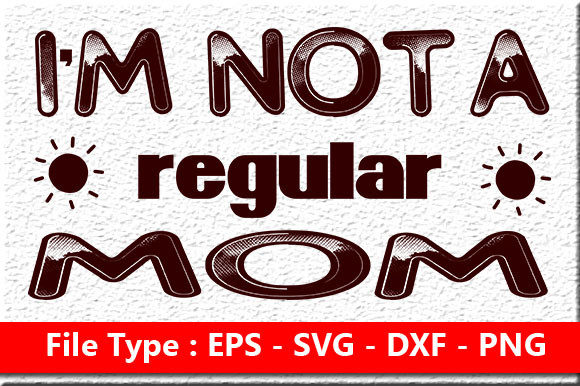
As a designer who has spent years digitizing patterns and testing them on everything from stiff canvas to slippery satin, I approach every new machine embroidery design with a critical eye. It is not enough for a graphic to look cute on a screen; it must survive the needle. Recently, I evaluated the Homeschool Mom Quote Design, I’m Not a R to determine its viability for real-world commercial and personal projects. This is not just a digital asset; it is a statement piece that needs to translate perfectly from vector to thread.
First Impressions and Visual Personality
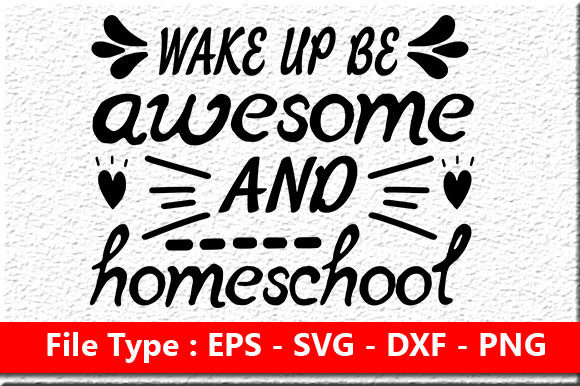
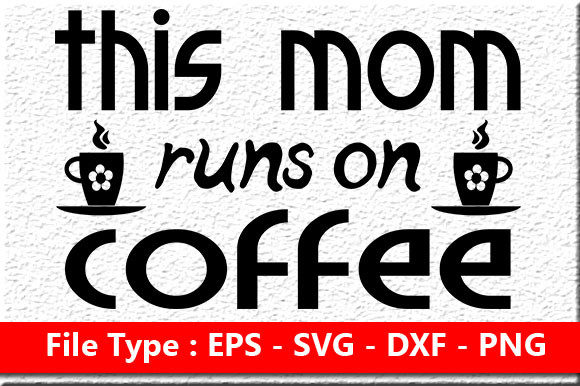
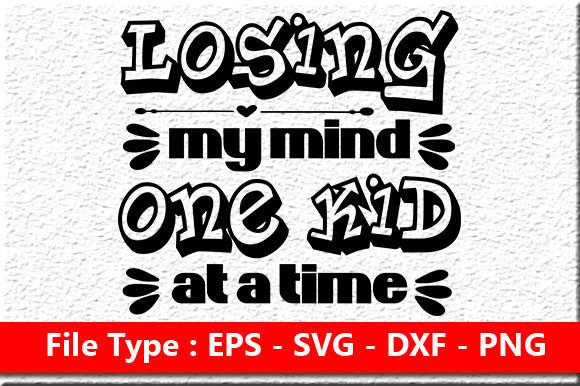
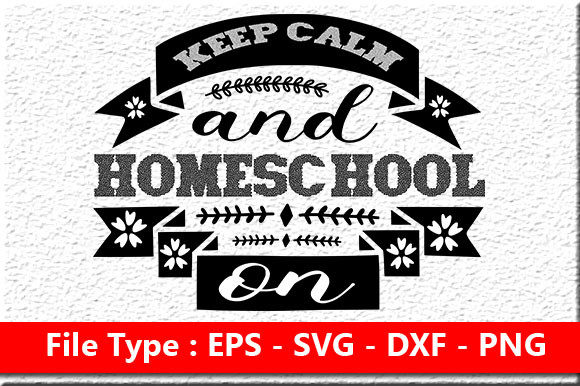
The immediate appeal of this Graphics file lies in its relatable humor and clean typography. The phrase plays on a popular cultural reference, instantly creating a connection with the target audience: homeschooling mothers who balance education, household management, and personal identity. Visually, the design relies heavily on lettering. In the world of embroidery, text is notoriously tricky. Poorly spaced letters can merge into an unreadable blob, while overly thin fonts may break under the tension of the hoop.
Upon inspecting the files provided—specifically the SVG and EPS formats included in the ZIP—I looked for closed paths and consistent stroke widths. For an embroidery project, these elements are crucial. If you are converting this yourself or using pre-digitized versions, the spacing between characters must be wide enough to accommodate the swell of the thread. The mood is lighthearted yet proud, making it an ideal candidate for items that celebrate the homeschooling lifestyle without feeling overly academic or stiff.
Real-World Application: The Custom Tote Test
To truly understand how this design performs, I simulated a common use case: a custom embroidered tote bag for a local homeschool co-op. Tote bags are typically made from cotton canvas or heavy-duty polyester, which provides a stable base for stitching. I envisioned placing the Homeschool Mom Quote Design, I’m Not a R centrally on the bag’s front panel.
In this scenario, the design’s clarity is paramount. A tote bag is a high-visibility item. When walking through school drop-off lines or grocery stores, the text must be legible from a distance. I found that this design works best when scaled appropriately. If scaled too small, the intricate parts of the letters might get lost. If scaled too large, the stitch count could become excessive, leading to long run times and potential fabric puckering. For a standard 15-inch tote, a width of 8 to 10 inches seemed optimal, allowing the satin stitch or fill stitch elements to breathe.
Fabric Considerations and Stitching Challenges
Not all fabrics behave the same way. While the design shines on sturdy cottons, caution is required when applying it to other materials. For sweatshirt embroidery, the pile of the fleece can obscure fine details. In such cases, I recommend using a topping stabilizer to keep the stitches sitting on top of the fabric rather than sinking into it. This ensures the text remains crisp and readable.
Conversely, using this design on thin or stretchy fabrics like jersey t-shirts requires careful attention to stabilizer choice. A cut-away stabilizer is often necessary to prevent the garment from distorting after washing. Additionally, dark fabrics present a contrast challenge. If you are stitching white thread on a navy sweatshirt, any gaps in the thread colors or density will show the background fabric through, ruining the clean look. Always test your tension and density on a scrap piece of the exact fabric you intend to use.
Small Hoops and Curved Surfaces
One area where this design demands respect is in small hoop sizes. Attempting to fit this quote into a 4x4 inch hoop for a embroidered patch or a baby onesie is risky. The lettering may become too dense, causing the fabric to pucker or the threads to break. For smaller items, consider simplifying the design or using a single-line running stitch style if available, though the provided files are primarily vector-based graphics meant for cutting or full-fill embroidery conversion.
Curved surfaces, such as caps or hats, also pose a challenge. The curvature can distort the text, making it appear arched or uneven. Proper hooping techniques and possibly adjusting the design’s pull compensation are essential here. For baby embroidery on soft knits, ensure the design is not too heavy, as stiff stitching can irritate sensitive skin.
Commercial Viability for Etsy Sellers and Crafters
For Etsy sellers and small business owners, this design offers strong market potential. The homeschooling niche is passionate and supportive, often seeking unique, personalized items that mass-produced retailers do not offer. This handmade product angle adds value. Whether used for holiday embroidery gifts, teacher appreciation weeks, or back-to-school promotions, the quote resonates emotionally.
However, commercial use requires diligence. The product description mentions the ZIP file contains EPS, SVG, PNG, and DXF files, suitable for scrapbooking and cut machines. It does not explicitly state the licensing terms for finished physical goods. As a professional, I advise you to confirm whether the creator allows the sale of finished items featuring this design. Never assume commercial rights are included unless explicitly stated. If you are creating digital embroidery file derivatives, ensure you are not violating copyright by redistributing the original vectors.
Practical Designer Notes for Best Results
Before committing to a final finished product, follow these practical steps:
- Test on Scrap Fabric: Always stitch out a sample on the same type and weight of fabric you plan to use for the final item. This reveals issues with tension, density, and registration.
- Check Thread Contrast: Use high-contrast thread colors for the initial test. This makes it easier to spot any skipped stitches or poorly formed letters.
- Review Stitch Density: If you are digitizing this from the SVG/EPS files, pay close attention to stitch density. Too dense, and the fabric will warp; too sparse, and the backing will show through.
- Confirm Hoop Size: Ensure your machine’s hoop can accommodate the desired size of the design without needing to re-hoop, which can lead to alignment errors.
- Inspect Small Details: Zoom in on the vector files. Look for stray anchor points or open paths that could cause issues during digitization or cutting.
- Mockup in Black and White: Convert your preview to grayscale. If the design loses its definition without color, it may rely too heavily on color contrast rather than shape and form.
In conclusion, the Homeschool Mom Quote Design, I’m Not a R is a versatile and engaging asset for the right projects. It fits naturally into the Crafts category, appealing to those who value personal expression and handmade quality. With careful attention to fabric choice, stabilizer, and scaling, it can elevate a simple tote or sweatshirt into a cherished personalized gift. For the discerning designer, it offers a solid foundation for creating products that speak directly to a dedicated community.